Essential Tips for Trading Pokemon Cards Safely
Trading Pokémon cards can be an exciting and rewarding hobby, but it also comes with its own set of risks. Whether you are a seasoned collector or just starting out, understanding how to trade safely is crucial to protect your investments and enjoy the experience. In this guide, we will explore essential tips for trading Pokémon cards safely, ensuring that you can engage in this beloved pastime without falling victim to scams or making poor decisions.
Understanding the Value of Pokémon Cards
Before you start trading, it's important to understand the value of the cards you own and those you wish to acquire. The value of Pokémon cards can fluctuate based on several factors:
Rarity: Cards that are rare or limited edition tend to have higher values. For example, a first edition Charizard card can fetch thousands of dollars.
Condition: The condition of a card is crucial. Cards graded by professional services (like PSA or Beckett) can significantly increase in value.
Demand: Popular cards can see a spike in value based on trends within the Pokémon community. Keeping an eye on what’s trending can help you make informed trading decisions.
Researching Card Values
To accurately assess the value of your cards, consider using the following resources:
Online Marketplaces: Websites like eBay can provide insights into what similar cards are selling for.
Price Guides: Publications and websites dedicated to Pokémon card values can help you gauge the worth of your collection.
Community Forums: Engaging with other collectors on platforms like Reddit or dedicated Pokémon forums can provide valuable insights and advice.
Finding Safe Trading Platforms
When it comes to trading Pokémon cards, choosing the right platform is essential for ensuring a safe transaction. Here are some popular options:
Local Game Stores: Many local game shops host trading events or have bulletin boards for trading. This allows for face-to-face interactions, which can help build trust.
Online Marketplaces: Websites like TCGPlayer and eBay are popular for trading cards. Always check seller ratings and reviews before making a purchase.
Social Media Groups: Facebook groups and Discord servers dedicated to Pokémon trading can be great places to connect with other collectors. However, always exercise caution and verify the legitimacy of the group.
Tips for Online Trading
If you choose to trade online, keep these tips in mind:
Verify Seller Profiles: Look for established sellers with positive feedback. Avoid trading with new or unverified accounts.
Use Secure Payment Methods: Opt for payment methods that offer buyer protection, such as PayPal.
Request Detailed Photos: Ask for clear images of the cards you are interested in to assess their condition.
Protecting Your Cards
Once you have acquired Pokémon cards, it’s essential to protect them to maintain their value. Here are some effective ways to do so:
Use Sleeves: Place cards in protective sleeves to prevent scratches and damage.
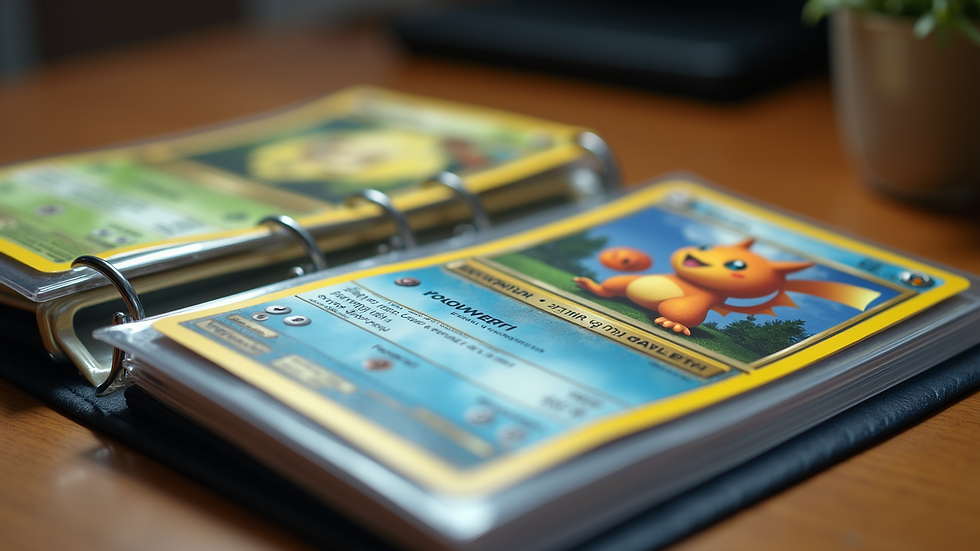
Store Properly: Keep cards in a cool, dry place away from direct sunlight. Consider using a binder or a storage box designed for trading cards.
Avoid Handling: Minimize handling of cards to reduce wear and tear. When showing cards to others, consider using a display case.
Grading Your Cards
If you have valuable cards, consider getting them graded by a professional service. Grading can enhance the value of your cards and provide a level of assurance to potential buyers or traders. Here’s how grading works:
Submission: Send your cards to a grading service along with the required fees.
Evaluation: The service will evaluate the card based on its condition, rarity, and authenticity.
Return: Graded cards are returned in a protective case with a grade assigned, which can significantly increase their market value.
Avoiding Scams
Unfortunately, scams are prevalent in the trading card community. Here are some common scams to watch out for and how to avoid them:
Fake Cards: Counterfeit cards can be difficult to spot. Familiarize yourself with the characteristics of genuine cards, such as the texture and printing quality.
Overpricing: Be wary of sellers who price cards significantly higher than market value. Always do your research before agreeing to a trade.
Non-Delivery: In online trades, some sellers may take your money and never send the cards. Always use secure payment methods and consider using escrow services for high-value trades.
Recognizing Red Flags
When trading, be on the lookout for these red flags:
Pressure Tactics: If someone is rushing you to make a decision, it’s a sign to walk away.
Inconsistent Information: If the seller’s story changes or they provide conflicting information, it’s best to avoid the trade.
Lack of Transparency: A trustworthy trader will be open about the condition and history of the cards they are selling.
Building a Trading Network
Connecting with other collectors can enhance your trading experience and provide valuable insights. Here are some ways to build your network:
Attend Events: Participate in local Pokémon events, tournaments, or conventions. These gatherings are great for meeting fellow collectors and traders.
Join Online Communities: Engage in online forums, social media groups, or Discord servers dedicated to Pokémon trading. Sharing knowledge and experiences can help you grow as a collector.
Collaborate with Friends: If you have friends who are also into Pokémon cards, consider trading with them. This can build trust and make the trading process more enjoyable.
Sharing Knowledge
Don’t hesitate to share your knowledge with others. Whether it’s tips on card valuation or insights into the latest trends, contributing to the community can help you build a positive reputation and foster relationships.
Final Thoughts
Trading Pokémon cards can be a thrilling experience filled with opportunities for connection and growth. By following these essential tips for trading safely, you can protect your investments and enjoy the hobby to its fullest. Remember to stay informed, be cautious, and engage with the community.
As you embark on your trading journey, keep these key takeaways in mind:
Understand the value of your cards and do your research.
Choose safe trading platforms and verify sellers.
Protect your cards to maintain their value.
Be aware of scams and red flags.
Build a network of fellow collectors for support and knowledge sharing.
With these strategies in hand, you are well-equipped to navigate the world of Pokémon card trading safely and successfully. Happy trading!


Comments